The ultimate guide to maintaining fresh cut flowers
Posted on 05/06/2025
The Ultimate Guide to Maintaining Fresh Cut Flowers
Fresh cut flowers have an unmatched power to brighten up any room, evoke emotions, and transform ordinary spaces into stunning displays. Whether you've just received a beautiful bouquet, picked flowers from your garden, or want to prolong the charm of blossoms in your home, knowing how to keep flowers looking their best is essential. In this comprehensive guide, you'll discover everything you need to know about maintaining fresh cut flowers so you can maximize their lifespan and beauty!
Table of Contents
- Why Do Fresh Cut Flowers Wilt?
- Preparing Your Cut Flowers for Longevity
- Optimizing Water & Nutrients for Freshness
- Where to Display Your Flowers for Maximum Lifespan
- Essential Daily Care Tips
- Homemade Flower Food Recipes
- Common Problems & How to Fix Them
- FAQ: Fresh Cut Flower Maintenance
- Summary: Long-Lasting Blossoms in Your Home
Why Do Fresh Cut Flowers Wilt?
Before exploring the best ways to maintain fresh cut flowers, it's crucial to understand why flowers begin to fade after being cut. When flowers are separated from the plant, their access to water, nutrients, and energy sources is instantly reduced. As a result:
- Water Loss: Cut flowers rapidly lose moisture through their stems and petals, causing wilting.
- Bacterial Growth: Stagnant water in vases can foster bacteria that clog stems and inhibit water uptake.
- Carbohydrate Depletion: Flowers run out of stored energy when cut off from photosynthesis.
- Ethylene Production: Some flowers generate ethylene gas, which accelerates aging and decay.
The good news? With careful handling and attention to detail, you can extend the vase life of your blooms significantly!
Preparing Your Cut Flowers for Longevity
Well-prepared flowers can last twice as long as those placed directly in a vase. Here's how to give your blossoms the best start:
1. Choose Fresh, Healthy Flowers
- When selecting, look for firm, upright stems and bright, unblemished petals.
- Avoid blooms that are fully open (they'll expire sooner).
2. Trim Stems Properly
- Cut 1-2 inches off the bottom of each stem on a 45-degree angle using sharp, clean scissors or floral shears.
- This increased surface area helps the flowers absorb water efficiently.
- Always trim under running lukewarm water or while submerged to prevent air bubbles from blocking water uptake (stem embolism).
3. Remove Lower Leaves
- Any foliage that will sit below the waterline in the vase should be removed. Bacteria thrive on decaying leaves!
4. Clean Your Vase
- Use hot, soapy water or a mixture of vinegar and water to cleanse your vase of lingering bacteria before arranging your flowers.
Optimizing Water & Nutrients for Freshness
A flower's survival depends on its water source and the nutrients it receives. Here's how you can ensure your bouquet thrives:
Use the Right Water
- Always start with room-temperature water. Most flowers absorb it faster!
- If your tap water is especially hard, use filtered or distilled water for better results.
- Change the water every 1-2 days to prevent bacterial buildup.
Add Flower Food
- Commercial flower food (usually included with bouquets) provides vital nutrients and helps inhibit bacterial growth.
- Follow package instructions for mixing flower food with water.
- If you run out, homemade recipes can substitute (see below!).
Re-trim Stems Frequently
- Every 2-3 days, snip a little off the stems to keep them open for water absorption.
Where to Display Your Flowers for Maximum Lifespan
After all your hard work keeping your flowers fresh, don't let the wrong location undo your efforts. Environmental factors can speed up flower wilting. Consider the following tips:
- Keep Flowers Cool: Avoid placing arrangements near heaters, radiators, or in direct sunlight.
- Steer Clear of Fruits: Ripening fruits like apples and bananas release ethylene gas, which hastens flower decay.
- Avoid Drafts: Keep away from open windows, air conditioners, and fans to prevent drying out petals.
- Choose Shaded, Humid Locations: Rooms with indirect light and higher humidity help slow evaporation.
Essential Daily Care Tips
Establish a fresh flower care routine for long-lasting bouquets:
- Check Water Level: Ensure stems are always submerged. Top up as needed with fresh, room-temperature water.
- Remove Wilting Flowers: Fading blossoms release bacteria that can spread. Pluck them out promptly.
- Mist Blooms: Lightly misting your bouquet (avoiding pollen-laden flowers) hydrates petals and keeps them vibrant.
- Prune Foliage: As leaves or petals fall below water level, snip them off to avoid rot.
By incorporating these habits, your flowers will remain fresh and lively for days - or even weeks!
Homemade Flower Food Recipes
If you don't have commercial flower food, you can make your own preservative at home to keep flowers fresher longer. The best recipes include three essential elements: sugar (feeds the stems), acidifier (lowers water pH to enhance uptake), and antibacterial agent (prevents bacteria).
Simple DIY Flower Food
- 2 tablespoons lemon juice
- 1 tablespoon sugar
- 1/2 teaspoon household bleach
- 1 quart (4 cups) lukewarm water
Stir together and use as vase water. Replace every 2-3 days.
Alternative Flower Food Mixes
- 1 tablespoon apple cider vinegar + 1 tablespoon sugar per quart of water
- 1 crushed aspirin tablet per quart of water (helps keep stems clear for water uptake)
Remember, do not overdose the bleach or vinegar as it can harm certain delicate flowers!
Common Problems & How to Fix Them
Even if you follow every tip for prolonging the life of cut flowers, you might encounter some issues. Here's how to resolve the most common ones:
-
Cloudy Vase Water:
- Usually caused by bacteria. Change water daily, scrub the vase, and remove dying foliage.
-
Drooping Stems:
- Re-cut the stem ends under water to restore flow. Some flowers (e.g., tulips) are naturally floppy but can be firmed up if kept cool and hydrated.
-
Petioles Turning Brown:
- This is usually due to decaying leaves in water. Remove all submerged foliage when necessary.
-
Moldy Smell:
- Swap out the water, rinse the stems, and clean the vase immediately.
Caring for Special Flowers
- Roses: Remove the guard petals, recut stems under water, and ensure the vase is filled halfway with clean water.
- Lilies: Remove pollen stamens to prevent staining and prolong openness.
- Daffodils: Keep them in a separate vase for the first day, as their sap can harm other flowers.
- Hydrangeas: Submerge the stems and heads in water for 30 minutes to revive wilted blooms!
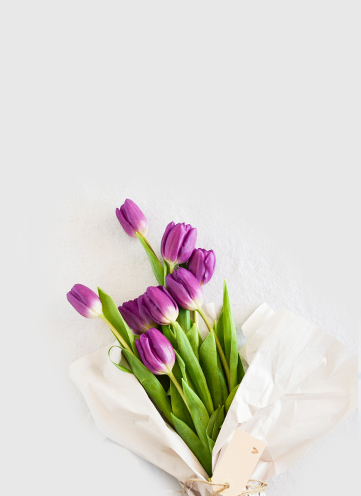
- Tulips: Wrap in paper and place upright in cool water for 1-2 hours to help straightening before arranging.
FAQ: Fresh Cut Flower Maintenance
-
How often should I change the vase water?
Ideally, change it every 1-2 days - more frequently in hot weather or if the water gets cloudy. -
Can I use sugar or vinegar for flower food?
Yes! Pair sugar with vinegar or lemon juice for nutrients and acidity. -
Is cold or warm water better for cut flowers?
Room-temperature water is best for most flowers. Exception: spring bulbs (like tulips and daffodils) prefer cooler water. -
Should I put flowers in the fridge overnight?
Refrigeration can extend life for many varieties, especially roses and lilies. Just keep away from fruits and ensure the temp isn't too low. -
My flowers wilt soon after arranging. Why?
This often results from untrimmed stems, dirty vases, or low water levels. Always follow the preparation tips above.
Summary: Long-Lasting Blossoms in Your Home
With these expert tips on maintaining fresh cut flowers, you can enjoy brilliant, fragrant arrangements for much longer in your home or office. Remember:
- Start with the freshest stems and prep them properly.
- Use clean, fresh, nutrient-rich water and replenish it often.
- Keep blooms cool and away from drafts, fruit, and direct sunlight.
- Remove spent blossoms and leaves regularly to stop decay.
- Experiment with homemade flower foods for added nutrition.
A little consistent care can extend the beauty of your cut flowers--making every bouquet a longer-lasting delight. With this ultimate guide, you're fully equipped to keep your blooms fresh, fragrant, and spectacular every single day.
Let your flowers stay fresher, longer!